
Urbanie & Urbanus
Issue 2026 Aug
Empathetic and Inclusive Design
Issue 14, P. - P.
Seeing Visitor Behaviours in Tourist Plazas with Computer Vision and Space Syntax
Figures
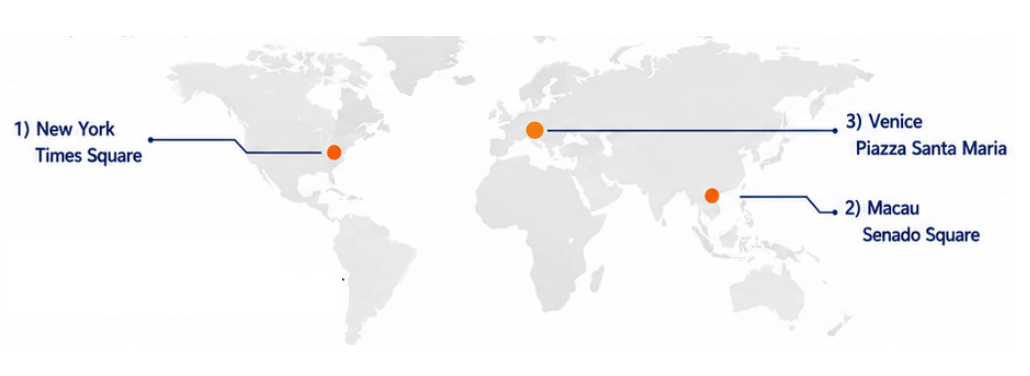
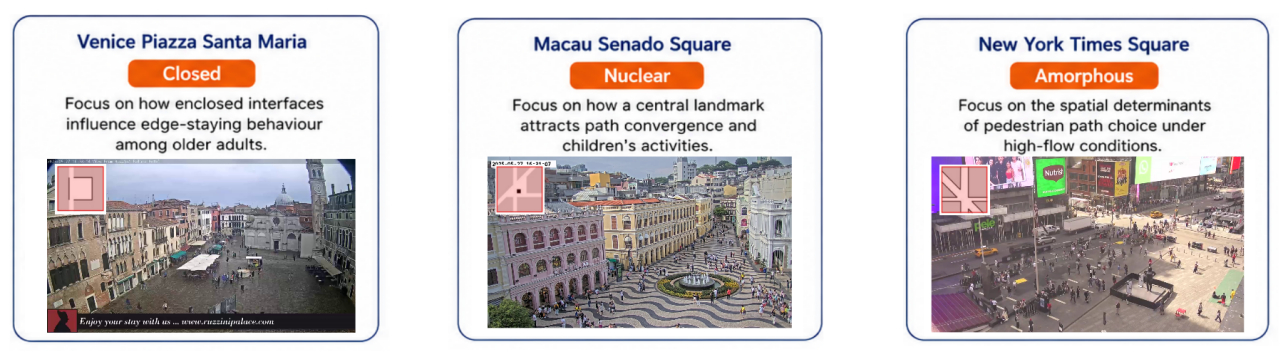
Figure 1. Study Area
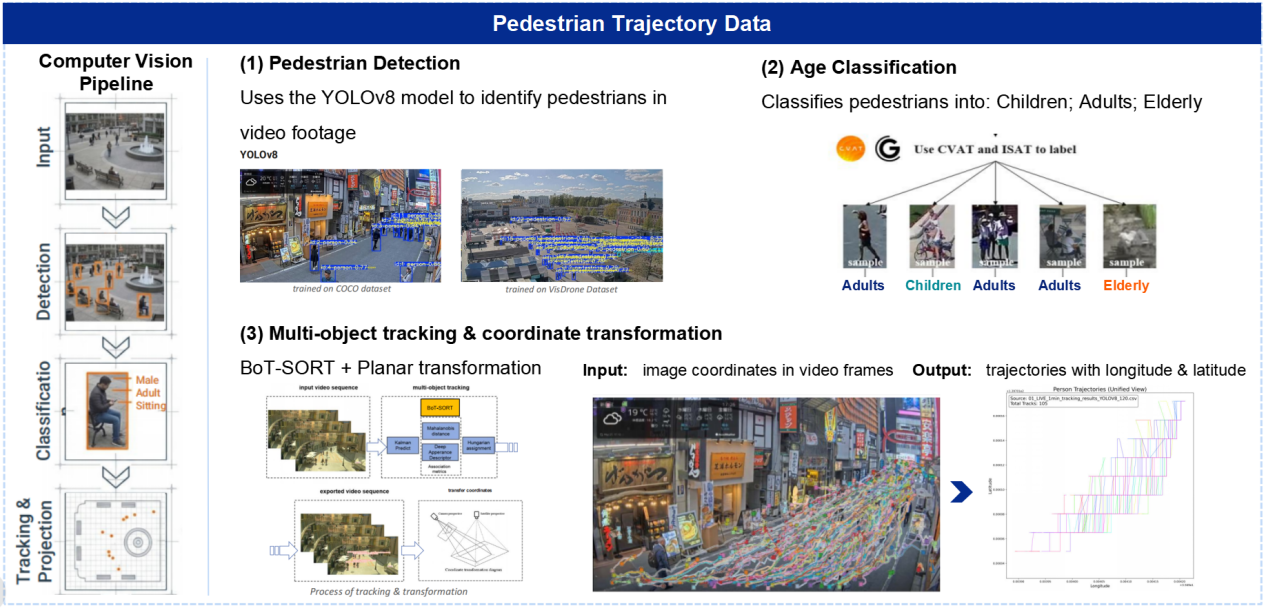
Figure 2. Workflow for Pedestrian Trajectory Data
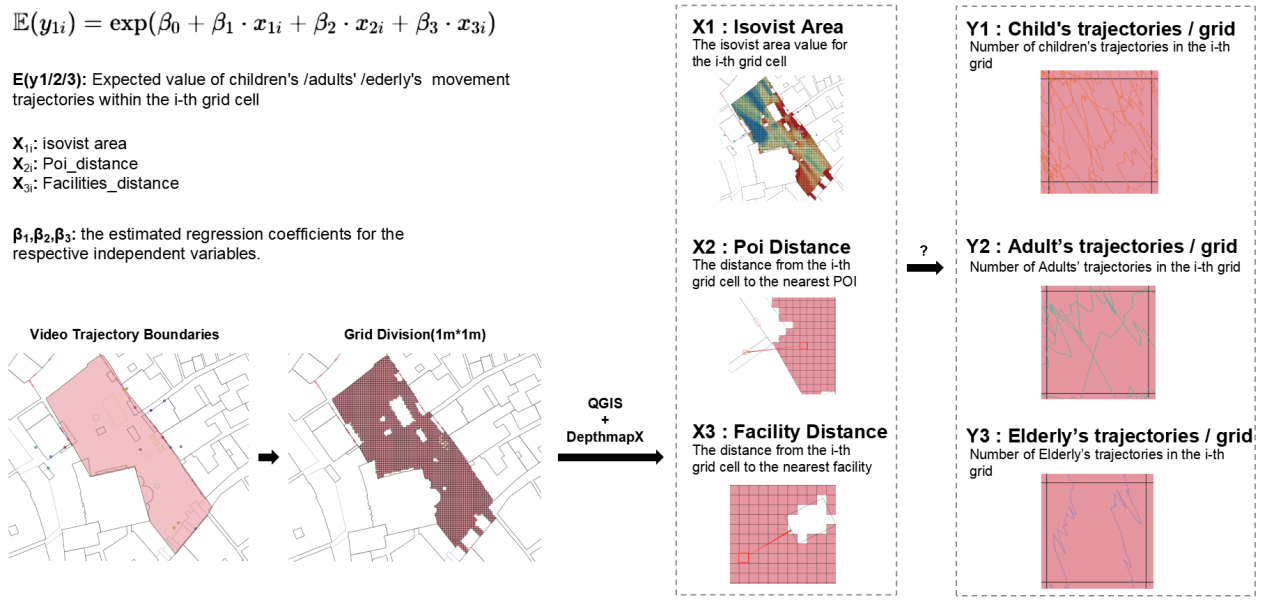
Figure 3. Workflow Setup: The Impact of the Three Independent Variables on Pedestrian Trajectories
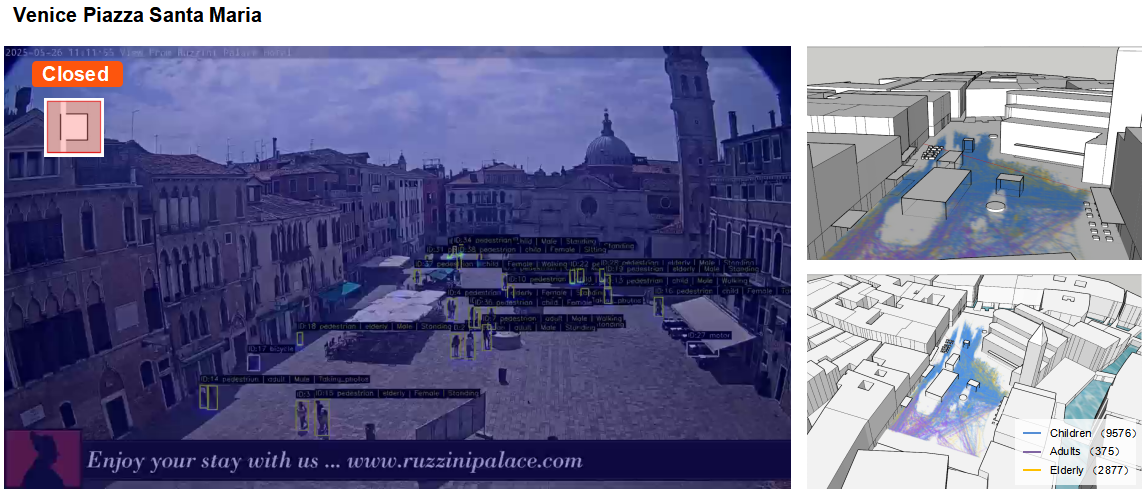
Figure 4. Venice Piazza Santa Maria Video
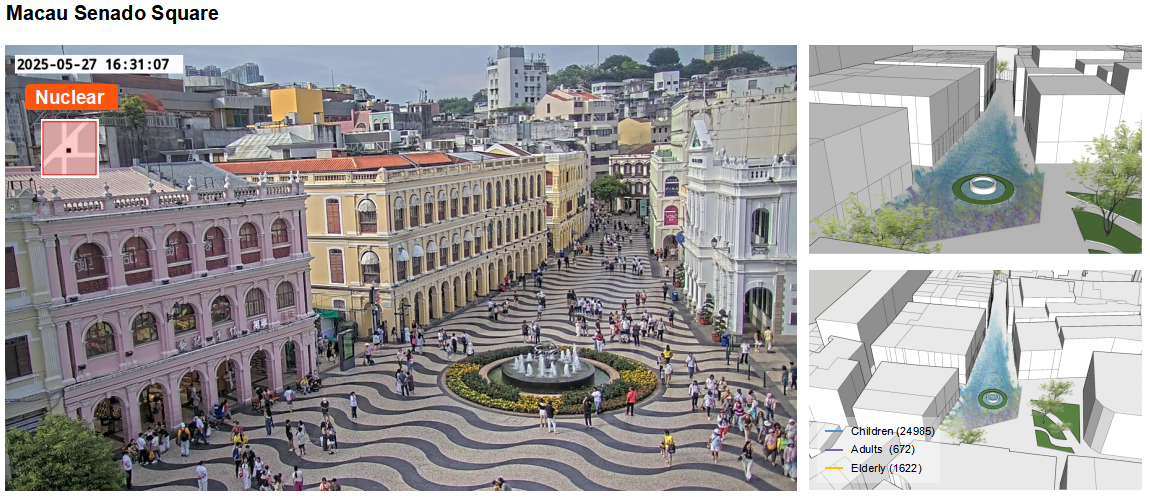
Figure 5. Macau Senado Square Video
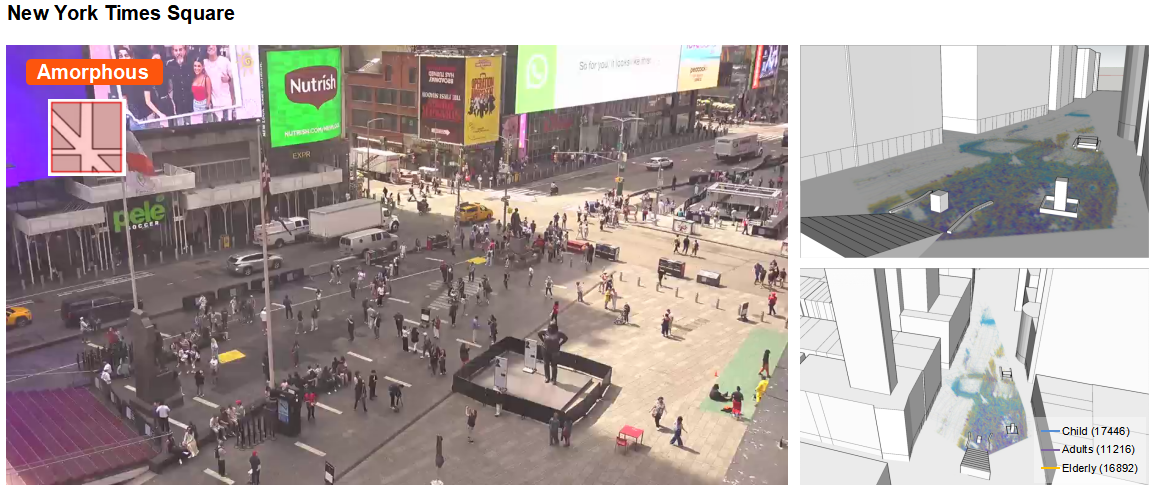
Figure 6. New York Times Square Video
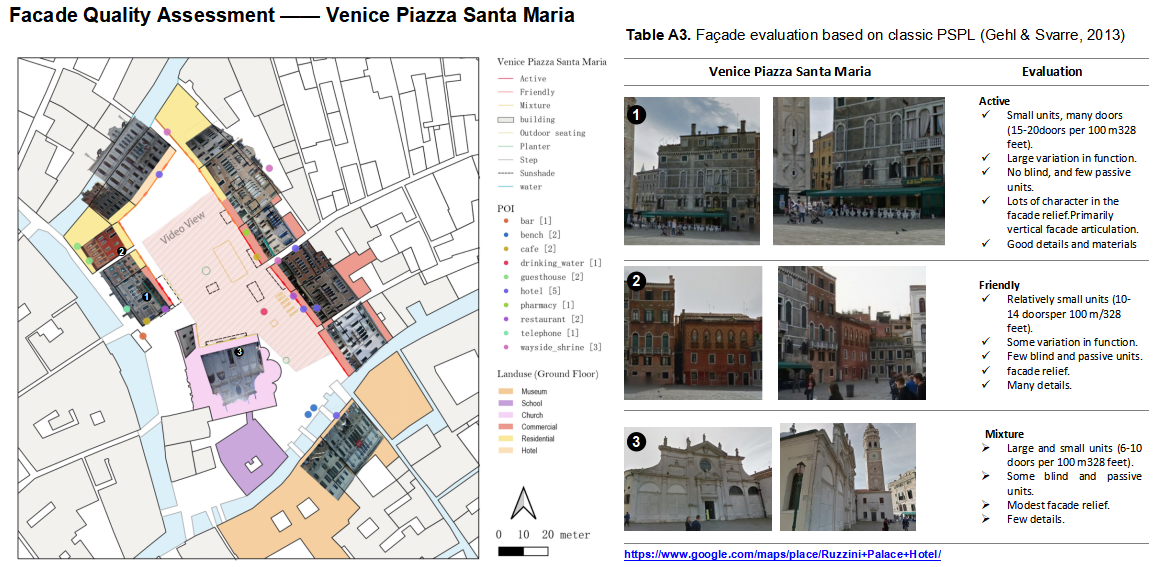
Figure 7. Venice Piazza Santa Maria Master Plan
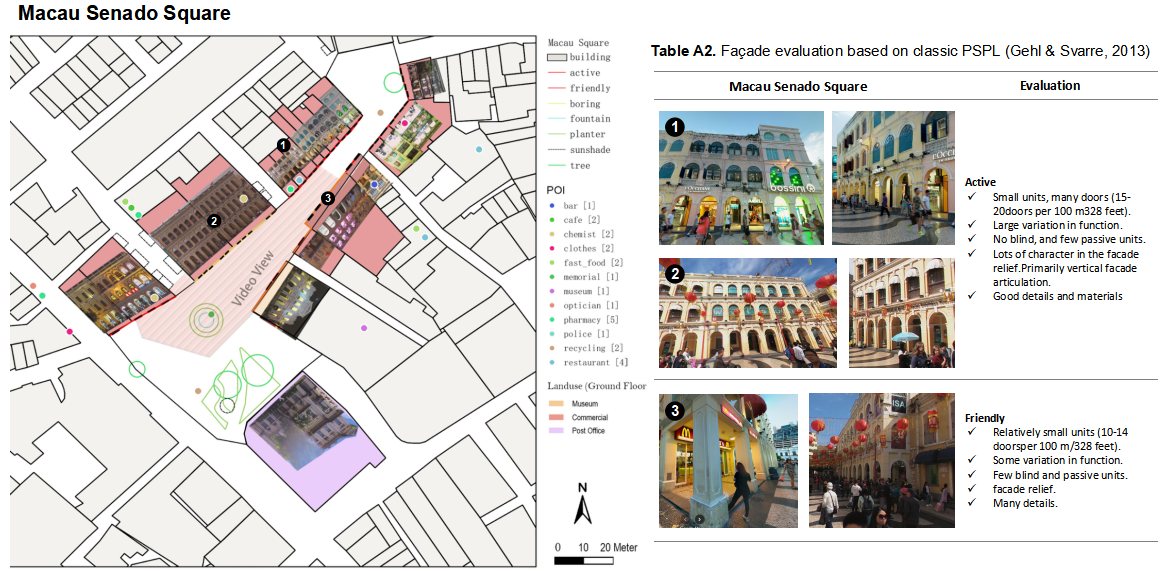
Figure 8. Macau Senado Square Master Plan
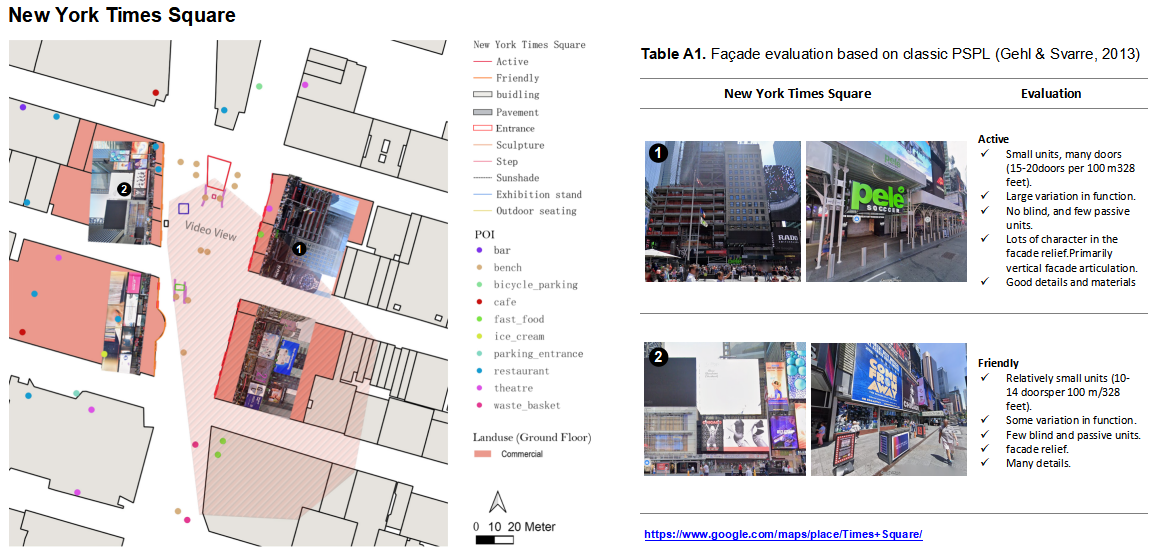
Figure 9. New York Times Square Master Plan
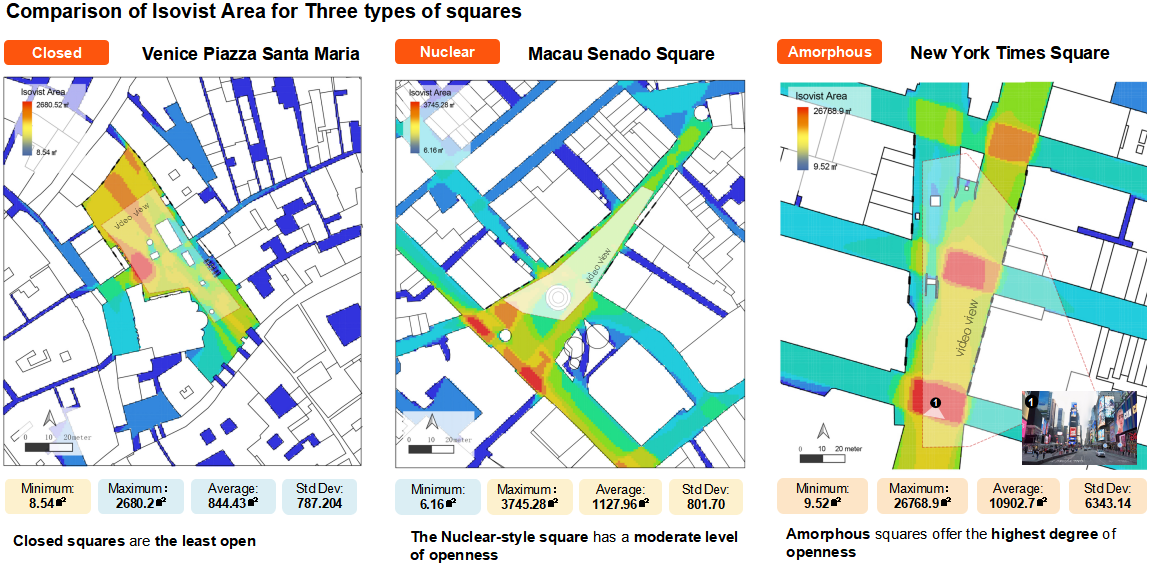
Figure 10. Comparison of Isovist Areas for the Three Types of Squares
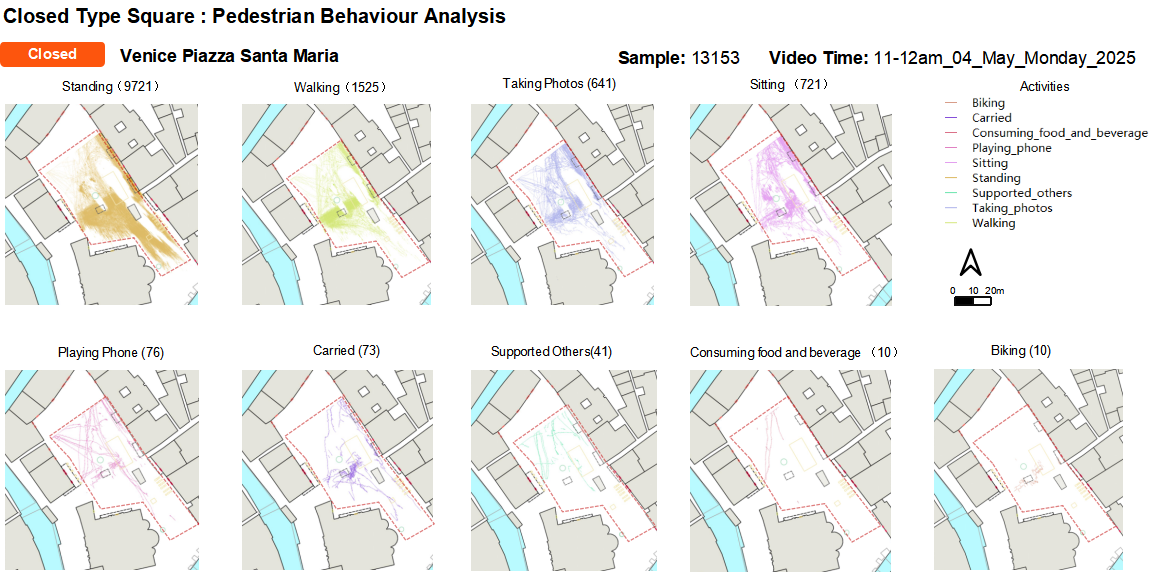
Figure 11. Closed Type Square: Pedestrian Behaviour Analysis
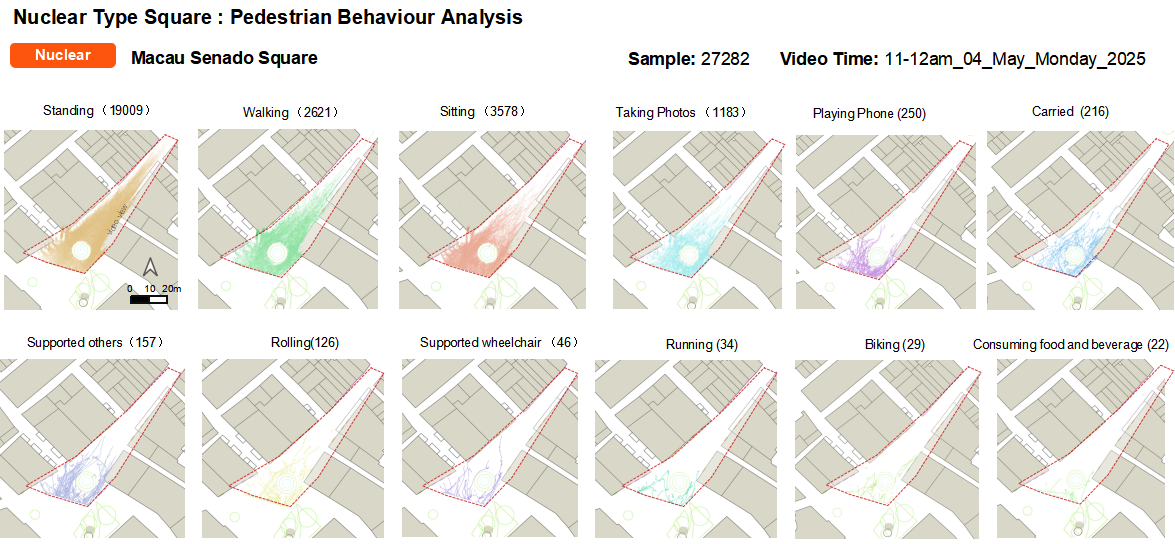
Figure 12. Nuclear Type Square: Pedestrian Behaviour Analysis
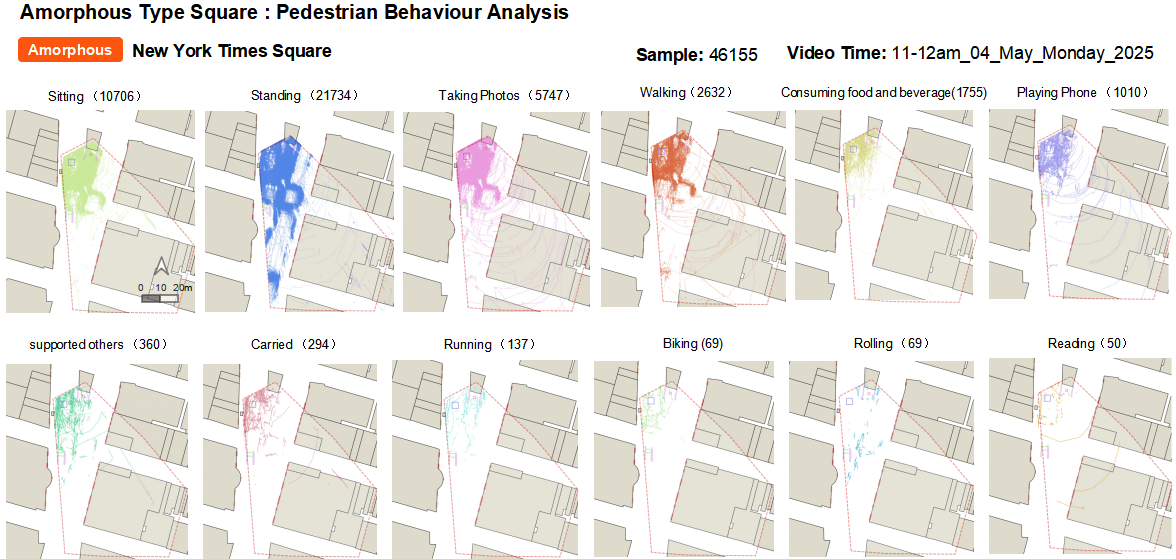
Figure 13. Amorphous Type Square: Pedestrian Behaviour Analysis
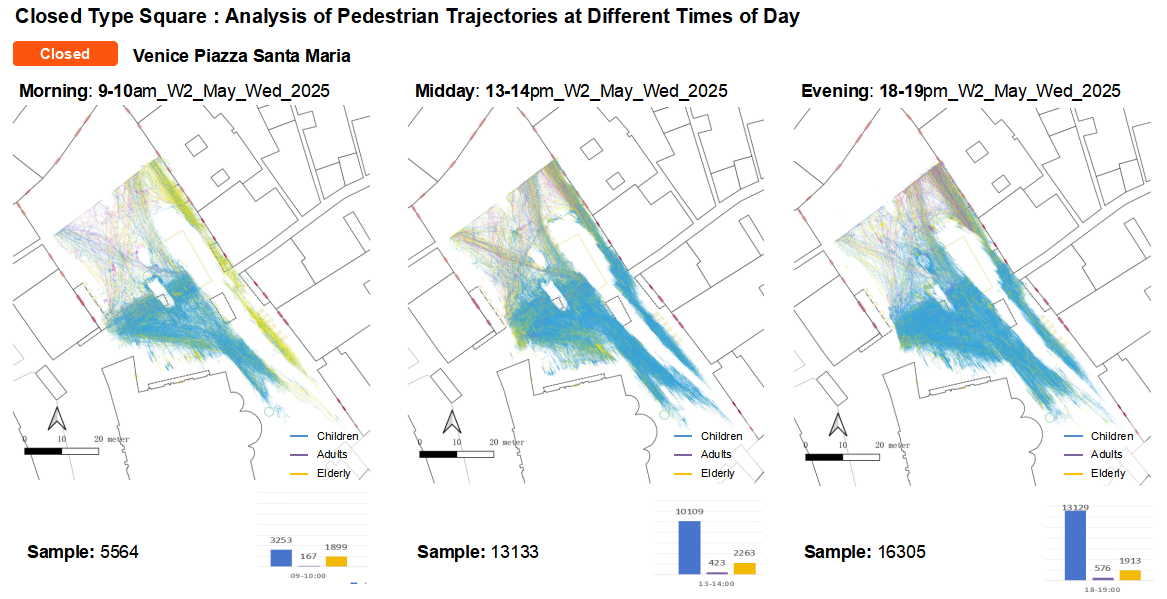
Figure 14. Closed-type Square: Analysis of Pedestrian Trajectories at Different Times of Day
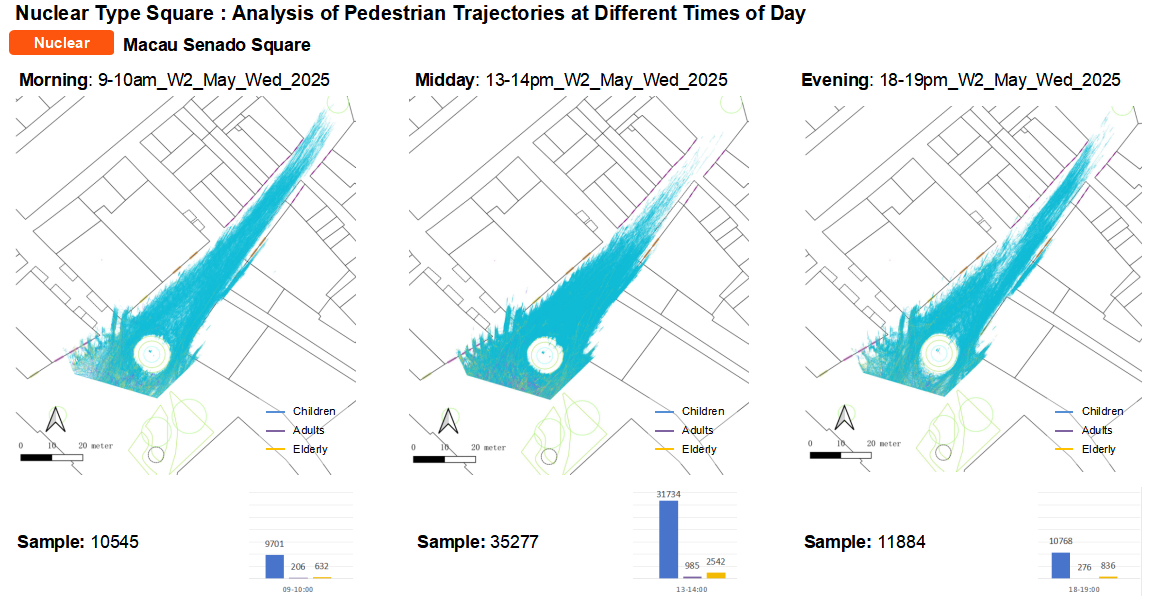
Figure 15. Nuclear Type Square: Analysis of Pedestrian Trajectories at Different Times of Day
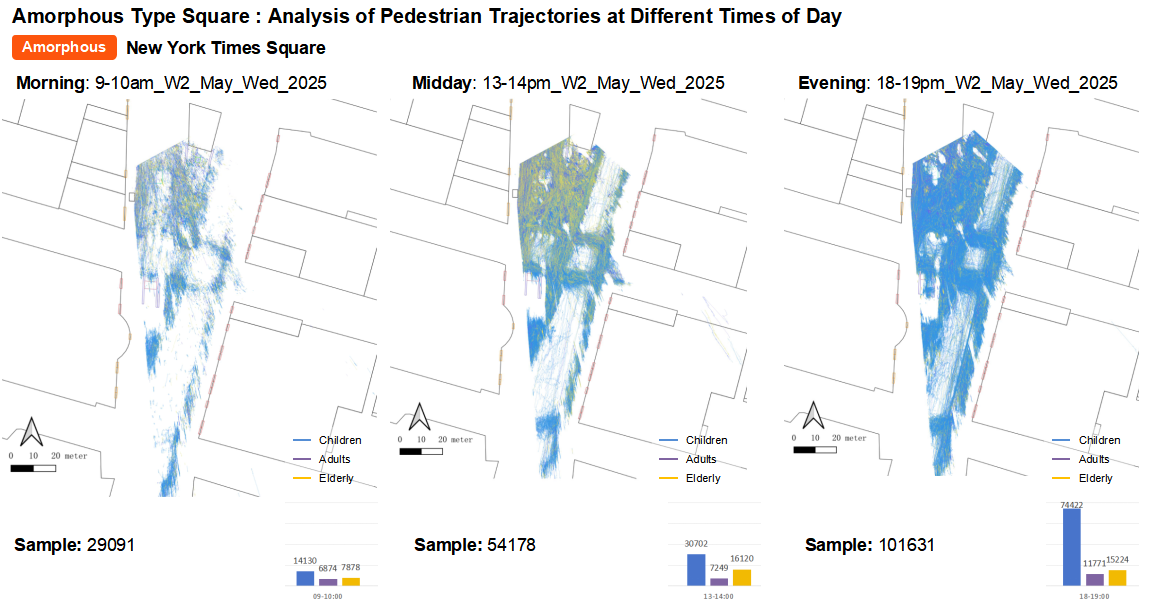
Figure 16. Amorphous Type Square: Analysis of Pedestrian Trajectories at Different Times of Day
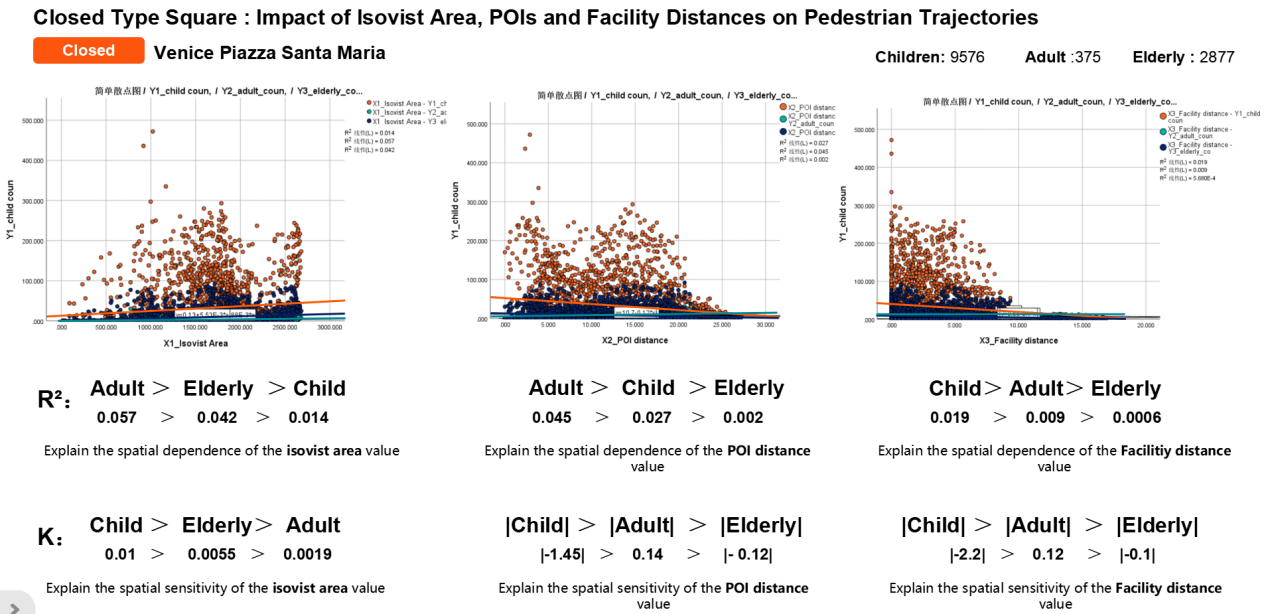
Figure 17. Closed Type Square: Impact of Isovist Area, POIs and Facility Distances on Trajectories
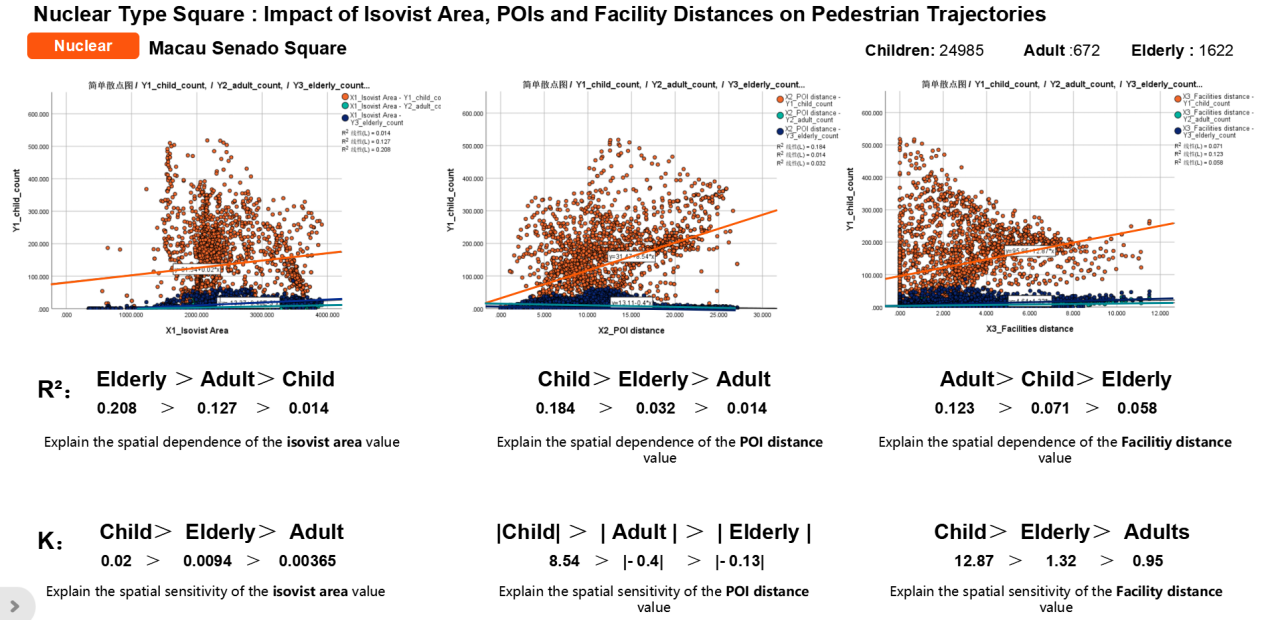
Figure 18. Nuclear Type Square: Impact of Isovist Area, POIs and Facility Distances on Trajectories
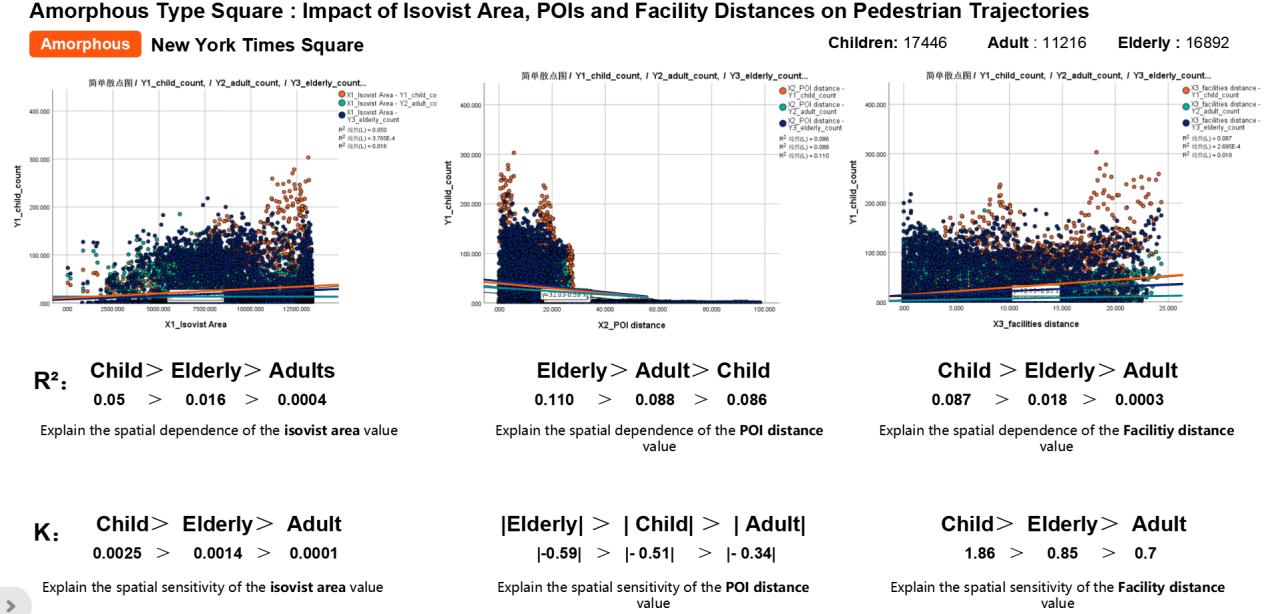
Figure 19. Amorphous Type Square: Impact of Isovist Area, POIs and Facility Distances on Trajectories
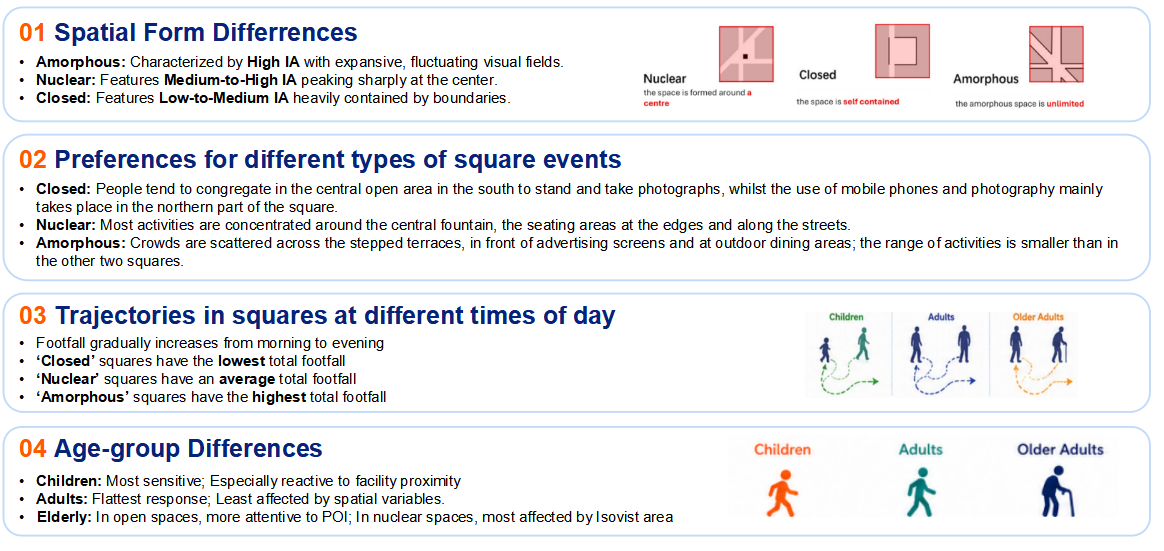
Figure 20. Summary

Table 1. Literature Review

Table 2. Data Sources and Variables
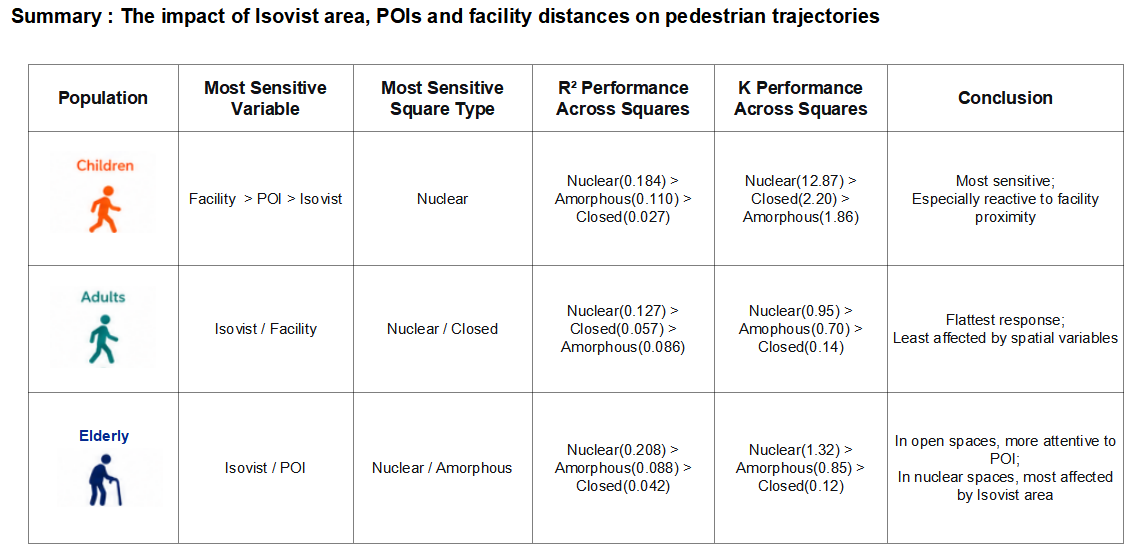
Table 3. Impact of Isovist Area, POIs and Facility Distances on Pedestrian Trajectories