
Urbanie & Urbanus

Issue 2021 Dec
Regeneration
Issue 6, P.48 - P.67
Regenerating Hong Kong’s New Towns: Resilience and Collaboration in the Context of Polycentric Urban Development
Figures
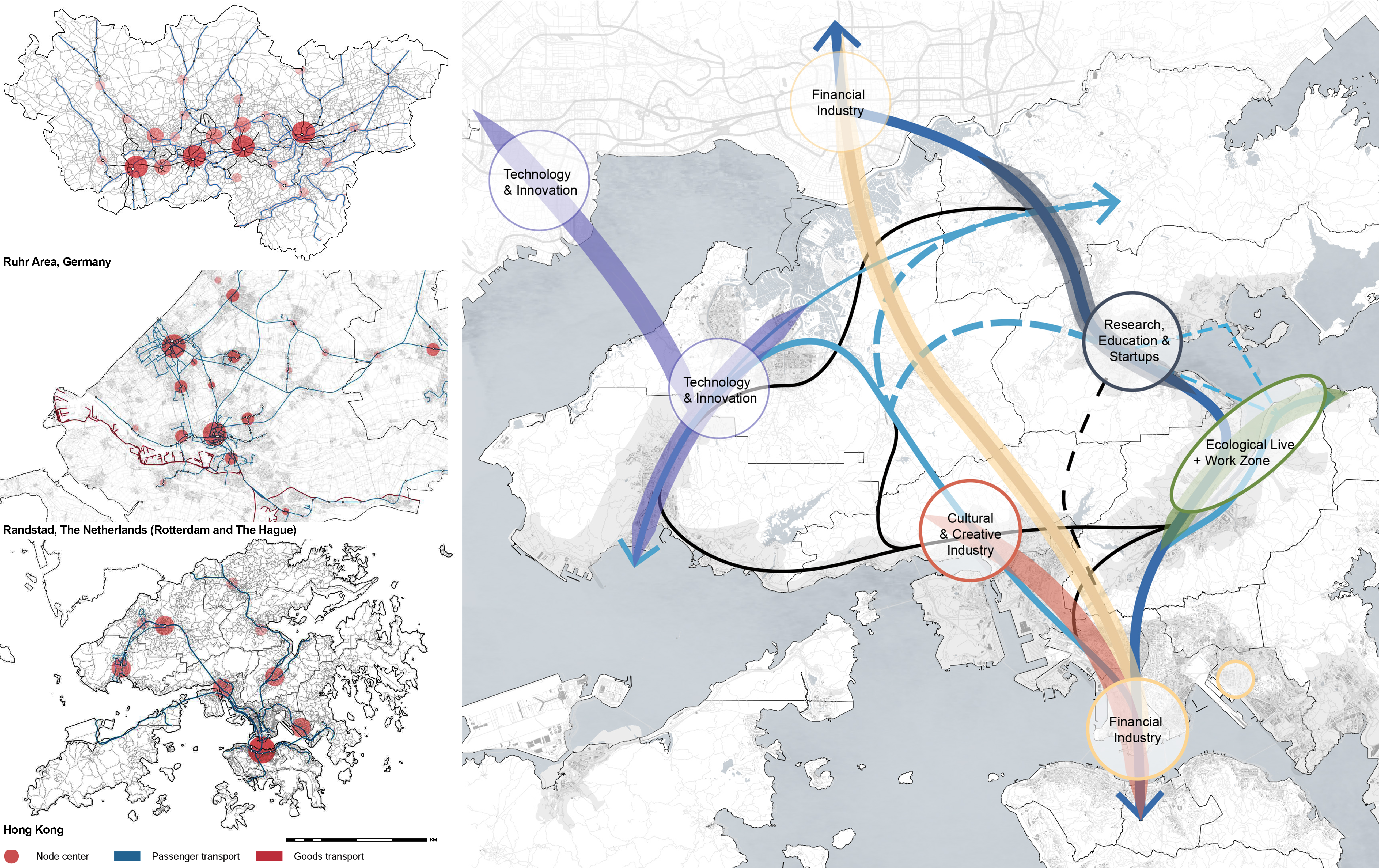
Figure 1. The polycentric city model calls for the strengthening of unique and complimentary identities for each new town cluster, in relationship to regional collaboration opportunities (images: Li Junwei).
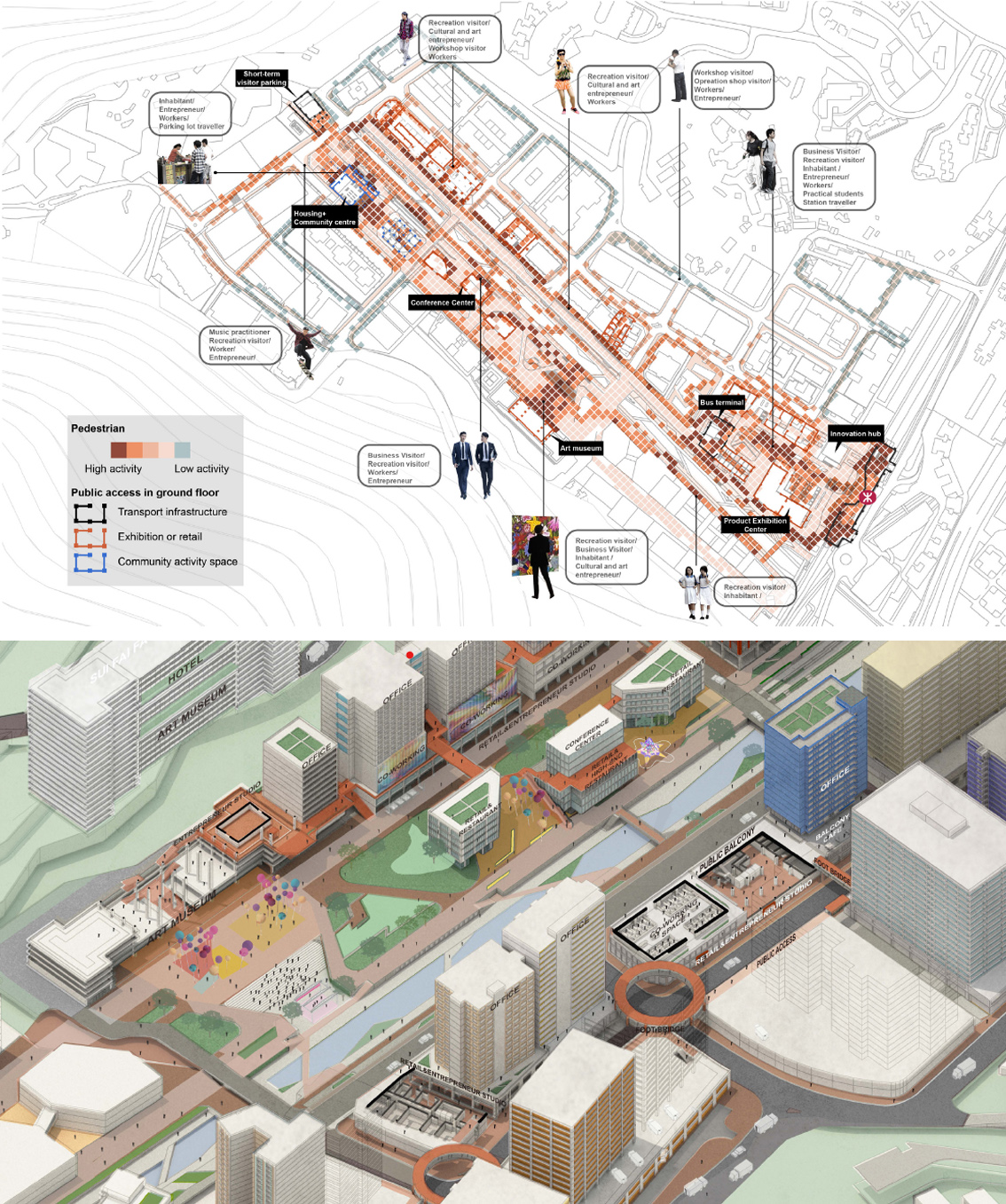
Figure 2. Fo Tan as a Creative Industry Hub, featuring renovated industrial buildings and shared facilities in a new central pedestrian zone (images: Tan Handan, Liu Guoyin & Liao Wenjia).
..png)
Figure 3. Potential ‘upgrade’ strategies for isolated and monofunctional estates in Tin Shui Wai (images: Li Yibing & Lin Shuiyang).
..jpg)
Figure 4. Implementing cycling for everyday trips, enhancing public spaces in Tai Wai (images: Yao Hongru & Zhou Yucheng).
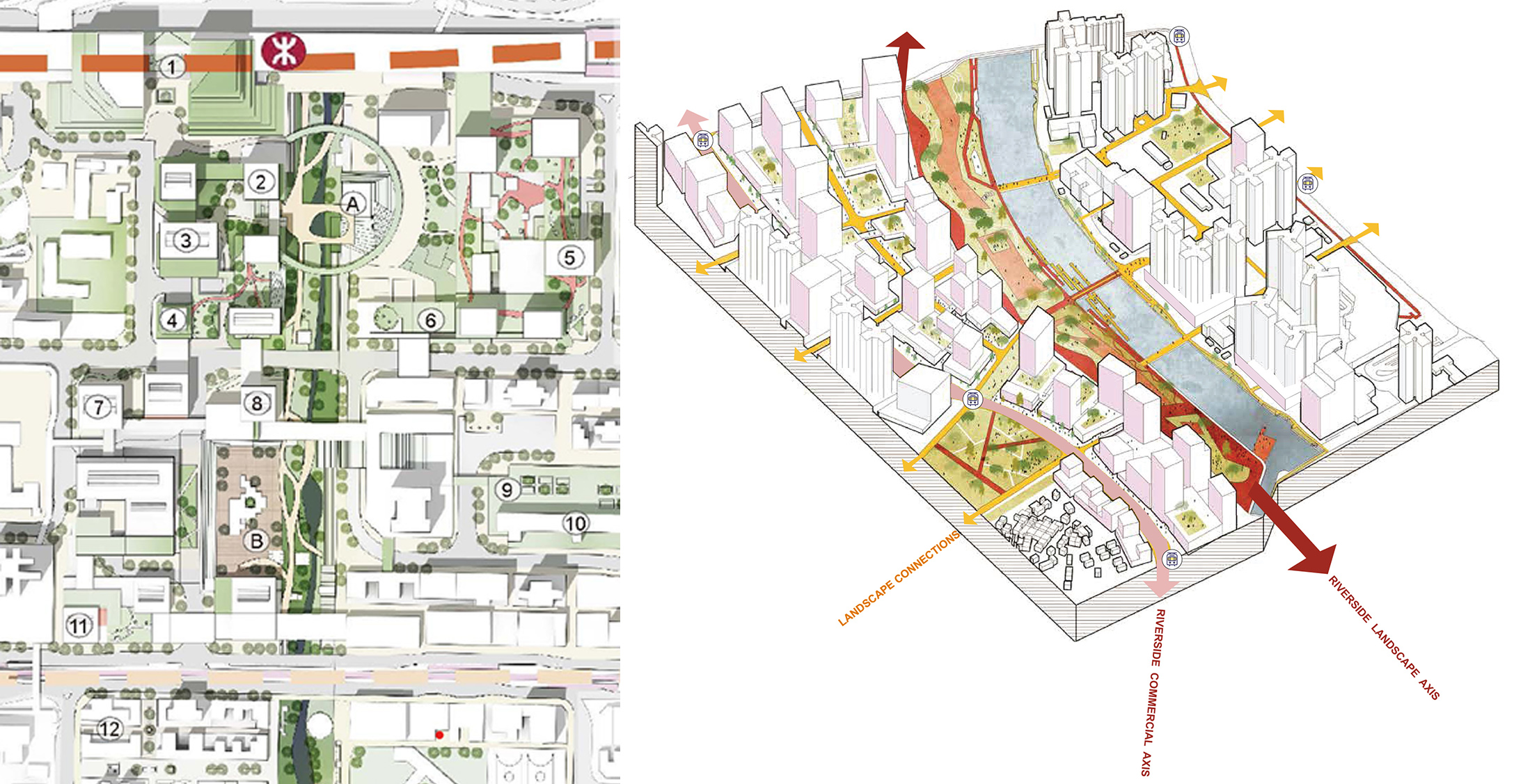
Figure 5. Transformation of underused drainage channels into a shared ecological and public activity areas (images: Li Hejuan & Wang Yuxuan / Zhang Qian & Liu Xiaoya).
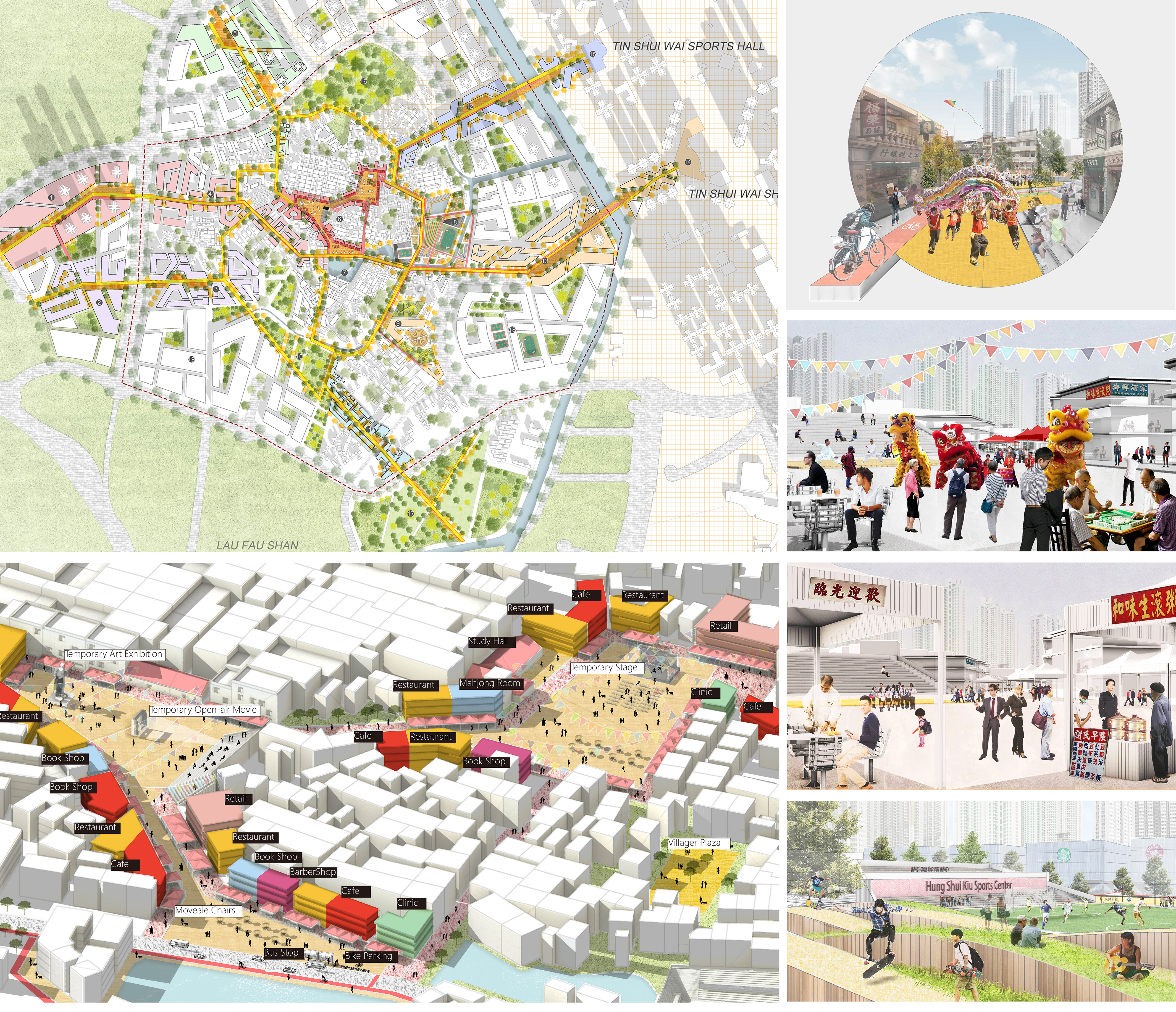
Figure 6. Development of public spaces and adjoining buildings, to create social and cultural connections between Ha Tsuen Village, Hung Shui Kiu and Tin Shui Wai (images: Jiang Kaiyuan & Yue Junyu).

Figure 7. ‘Resilient coastal development’ incorporating rain and flood water mitigation strategies and waterfront public spaces (images: He Yifan & Song Qihang).